FIPMO interaction programme with WFP Nepal
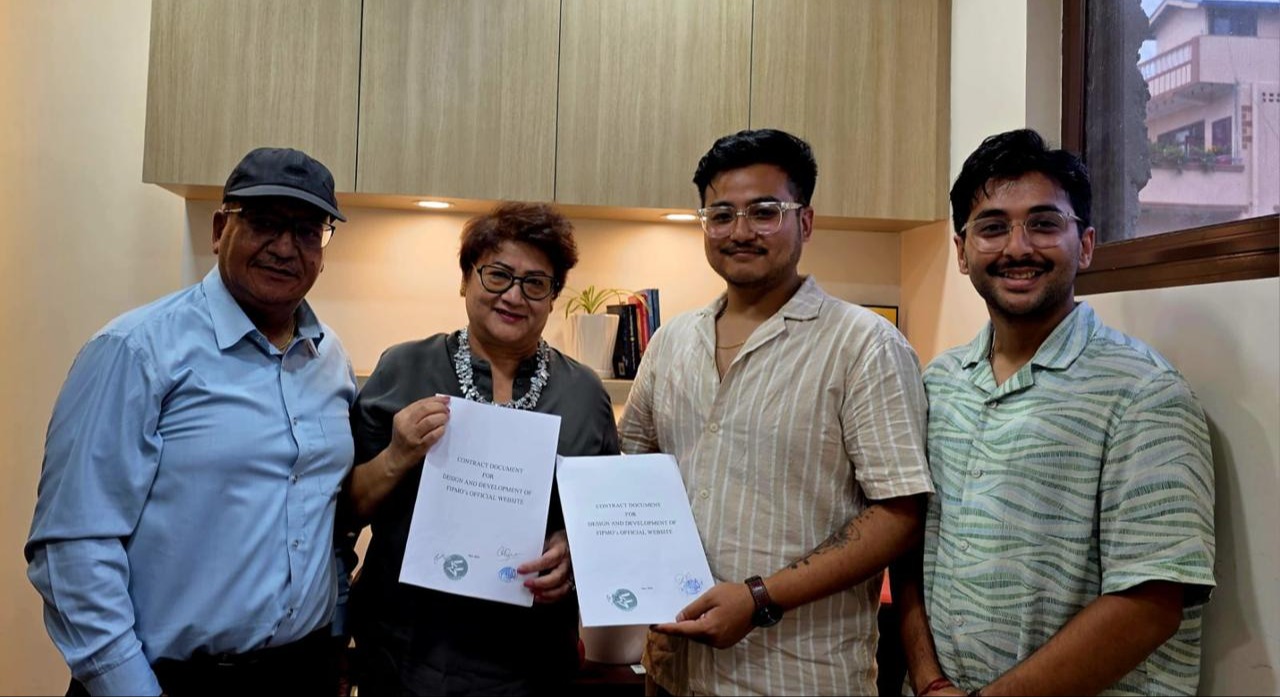
FIPMO and WFP, Nepal had an interaction programme at WFP office on Tuesday 25th August.
FIPMO (Forum of former International Professionals of Multilateral Organizations) is an organization created early this year (2015) with the objective of providing a forum for members to channel their experience and expertise for the benefit of Nepal and its people.
Since its creation in January, FIPMO had held an interaction with Dr. Pokharel, the Vice chancellor of National Planning Commission and Dr. Ram Sharan Mahat, Minister of Finance. FIPMO was engaged in providing some relief materials on behalf of its members in the aftermath of the devastating earthquake in April.
WFP Country director, Pippa Bradford, briefed FIPMO of its activities in Nepal, before and after the earthquake. She highlighted that while WFP expanded its food-assistance programme in the wake of the earthquake, it was equally or even more involved in providing telecommunications and logistical support to UN and other international agencies as leader of UN Logistics and Emergency Telecommunications clusters. WFP emergency food supplies reached twenty lakh people in the first forty-eight hours of the earthquake; ten lakh were reached with rice, pulses and oil, cash and nutrition products in the second phase up to June; and approximately four lakh people are receiving cash or food for assets and nutrition products on phase three, which will last until December 2015.
According to the Country director, WFP’s early recovery activities included employment of over 14 thousand people in Remote Access Operation, rehabilitation at critical points along 523 km of trails completed and 271 km ongoing, approximately 19 thousand people participating in the cash for assets programme, and more than one lakh people now connected to market. WFP provided other services included the construction of 32 clinics in collaboration with WHO, two camps constructed to provide accommodation to 63 humanitarian workers, internet connectivity provided to 250 humanitarian organizations, cargo handled for 141 humanitarian organizations, and humanitarian air service provided to 147 organizations.
WFP’s work as leader of Logistics cluster included handling almost 19,000 MT of cargo for 141 organizations, of which 62% was food and 38% was other supplies; provided over 9000 Mt storage capacity, and delivered 6,800 truckloads of supplies. Furthermore, four Mi8 cargo helicopters and 2 smaller helicopters did over 3000 sorties to transport about 1700 MT of cargo and over 2800 passengers.
WFP future plan is to develop a 3-year programme starting January 2016 to build back better in line with the Post Disaster Needs Assessment of the National Planning Commission.